








How Much Should You Spend on an Engagement Ring?
Updated 24 November 2026
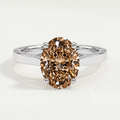
There is no set number you should spend on a ring, its a really personal choice with no wrong or right number. There's a traditional idea of spending 3 months’ salary on an engagement ring, but this is very old (and clever) marketing. You should start with an amount you can comfortably afford, then think about the design and details that will matter to the person wearing it.
It can be difficult to judge a realistic budget before you have looked at rings. Below, we share what our own customer records show, some current ring prices and the choices worth considering when deciding where to spend.
Setting an engagement ring budget
Before browsing engagement rings, look at the money available after your regular commitments and planned expenses. If you are saving towards the purchase, decide on a monthly amount and a timescale that work for you. If you are choosing together, agree the budget before building your shortlist.
Next, think about the ring itself. Is there a particular shape your partner loves? Do they prefer yellow gold or a white metal? Would they enjoy a simple solitaire or detail along the band? Having two or three priorities makes it easier to decide which options deserve a closer look.
How much do our customers spend?
Based on our engagement-ring customer research, the average recorded ring value was approximately £2,500, with a median of approximately £2,300.
These figures cover a mix of stone types, settings and specifications. They give you a picture of purchases at Lily Arkwright, rather than an amount you should aim to spend.
For a separate view of what people planned to spend, the median starting budget on our Manchester and London engagement-ring booking forms was £2,500.
How we calculated these figures
Source: Lily Arkwright orders and consultation-booking research, prepared on 5 November 2026. The analysis counts 1,517 ring items. Recorded ring values include amounts assigned to rings, upgrades and components, using the source reporting treatment for refunds and exchanges. The average is rounded to the nearest pound.
The booking-budget median uses 440 replies giving one specific amount; budget ranges are excluded from that calculation.
What can different engagement ring budgets buy?
Here are four examples from our popular engagement ring designs. Each has a different specification and shows one option available within that budget.
Prices checked on 24 November 2026. These are complete-ring prices in GBP for the configurations listed, before optional personalisation. Prices can change, so follow the product links for the current total and available choices. Images illustrate the designs; photographed stone sizes can differ from the priced examples, as noted below.
Under £1,500: Grace
Grace engagement ring: £1,200
0.50ct round lab-grown diamond, D colour, VS1 clarity, 950 platinum.

A classic four-prong solitaire with a plain band. This is a useful starting point if you want the centre diamond to be the main feature.
Under £2,000: Isabella
Isabella engagement ring: £1,779
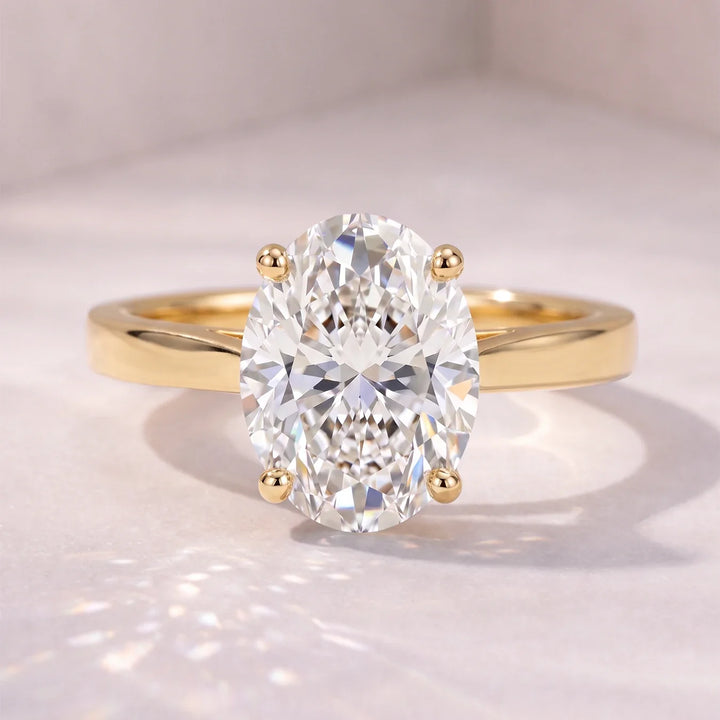
1.00ct oval lab-grown diamond, D colour, VS1 clarity, 18ct yellow gold.

An oval solitaire with a tapered setting and a 2.10mm band. Compare its elongated outline with a round diamond on your hand before deciding which proportions you prefer.
Under £2,500: Paris
Paris engagement ring: £2,268
2.00ct oval lab-grown diamond, D colour, VS1 clarity, 18ct yellow gold.

A larger oval centre with a hidden halo beneath the setting. View the side profile as well as the top: the hidden detail is part of the design you are paying for.
Under £3,000: Lillie
Lillie engagement ring: £2,607
0.75ct round natural diamond, G colour, VS1–VS2 clarity as listed, 18ct white gold.

A six-prong solitaire with a knife-edge band. This gives you a natural diamond example to consider if its origin is an important part of your choice.
For more examples, our lab-grown diamond ring price index lets you compare prices by specification. Start with a ring you like, then explore how changing its centre stone or metal affects the total.
Where is it worth spending more?
A useful question is: what will this extra spend change about the ring? It might give you a larger centre stone, a different metal, a wider band or a setting detail you particularly like. Ask to see the difference wherever possible, including how the ring looks from the side and sits on the hand.
For the diamond, consider its appearance alongside the grades on its report. Ask to see a clear video of the individual stone and have the jeweller explain any visible differences between your shortlisted options. A higher specification is most useful when you understand what it adds to your choice.
Carat describes weight, so compare the diamond’s measurements and proportions too. Trying on different shapes can help you judge the look you prefer before committing more of your budget to size.
Compare lab-grown diamond rings and natural diamond rings with your priorities in mind. Your preference for the diamond’s origin may influence the balance you choose between stone size, design and price. Our lab-grown versus natural diamond article explains the differences in more detail.
The setting matters as well. A solitaire keeps the focus on its centre stone, while a hidden halo or diamond-set band adds another design element. A more detailed setting will not always cost more than a plain one: the centre diamond, amount of metal and complete specification all contribute.
Allowing for personal details
Around one in five engagement-ring orders reviewed included a recorded upgrade, such as a change to band width, setting or clarity.
These choices can be worth considering when they improve the look or feel you want. For example, if you prefer a more substantial band, ask to compare widths on the hand. If you plan to wear a wedding ring alongside it, try the two together and look at how they sit.
Ask for a complete quote with your preferred changes included. That makes it easier to compare your personalised design with the standard version and decide which details matter most.
Before you order
Confirm what the quoted price includes and whether engraving, ring size or other requested changes affect it. Read the resizing and returns terms for the particular ring, especially for a personalised or bespoke design, and confirm the delivery estimate if you have a proposal date in mind.
If you are considering instalments, compare the total amount payable as well as the monthly figure, and check any interest, charges and repayment dates. Make sure the payments fit alongside your other commitments.
If you would like help narrowing the choices, book a consultation and tell our team your budget and the styles you are drawn to. We can help you compare the details and find a ring that feels right. There is no need to spend the full amount simply because you have set it aside.