









Sapphire Engagement Rings
Updated 12 November 2026
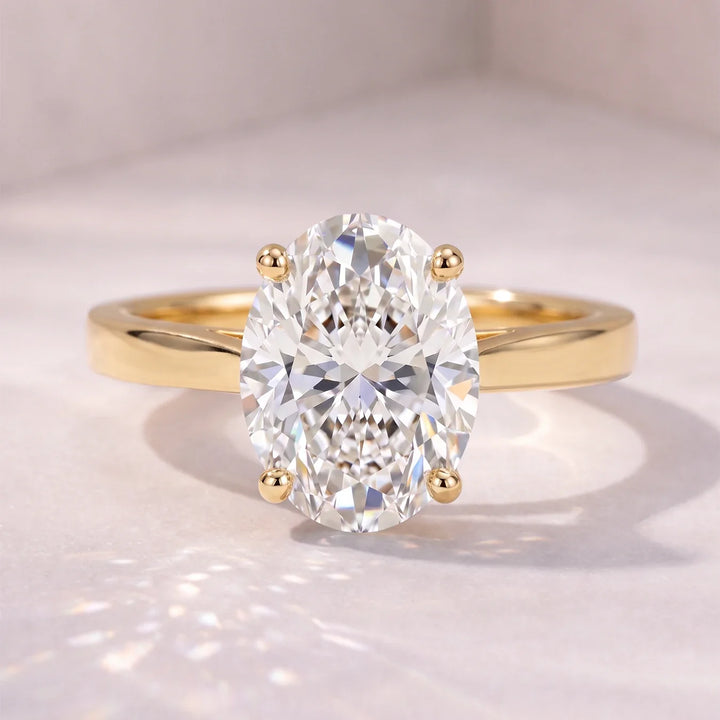
A sapphire engagement ring starts with a colour you want to keep looking at. That might be a deep blue, a pale pink or a bright yellow. If you are comparing sapphires with traditional diamond rings, begin with the colours you enjoy wearing, then look at how the stone sits on your hand.
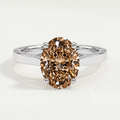
Our gemstone engagement rings include several different looks, from classic blue sapphire engagement rings to vibrant pink sapphire and dreamy champagne sapphire rings. The shade is only part of the decision: the stone’s origin, dimensions and setting deserve a closer look too.
What does a sapphire engagement ring mean?
Sapphires have long been associated with loyalty, wisdom and sincerity. Those traditions may be part of their appeal, but you do not need a symbolic reason to choose one. Sometimes a particular colour simply feels right.
Princess Diana’s iconic sapphire ring is a familiar example of how a blue centre and a surrounding halo can become a distinctive design. A smaller halo, a plain band or a different shade can give a sapphire ring quite another character.

Choosing the colour and origin
Blue is the best-known sapphire colour, but sapphire also occurs in pink, yellow, green and other shades. Look at the actual stone, or a video of it, in ordinary daylight and indoor light where possible. That is more useful than choosing from a colour name alone.
Ask whether the sapphire is natural or laboratory-grown, and whether it has been treated. These are separate questions. A lab-grown sapphire is sapphire, with essentially the same material properties as its natural counterpart; it is not simply blue or pink glass. Treatments can affect value and care, so the description should make them clear.
Are sapphires suitable for everyday rings?
Sapphire rates 9 on the Mohs scale and has excellent toughness. That makes it a practical choice for a ring, but the number measures resistance to scratching, not immunity to chips or damage. The setting and any other stones need care as well.
Take your ring off for heavy manual work and activities where it could receive a hard knock. If a claw catches or a stone moves, have the setting checked before continuing to wear it.

Finding a setting that suits the stone
Sapphire and diamond halo rings give a coloured centre a defined outline. The pictured Diana, the iconic Princess Diana inspired ring uses a cluster halo around its oval blue centre; a solitaire leaves more space around the sapphire.

For a different balance, the Viola engagement ring places detail along the shoulders, while the twisted Eden ring brings a flowing line into the band. Compare the rings from the side as well as above: the height and shape of the setting can affect how it feels to wear.

What size sapphire should you choose?
There is no ideal sapphire carat weight for an engagement ring. Carat measures weight, so it does not tell you how wide or long the stone will look. Sapphire and diamond also have different densities; equal weights do not necessarily give equal dimensions.
Compare the stone’s length and width in millimetres, then consider the whole ring. A halo adds to its overall outline, while a slender band can make the centre more prominent. Try a few proportions before deciding, especially if you are choosing a ring for everyday wear.

What affects the price?
The price depends on the individual sapphire and the complete setting. Natural or lab-grown origin, colour, size, cut and treatments all matter, alongside the metal and accent stones. A rare natural sapphire can be expensive, so sapphire is not automatically the cheaper choice.
Compare like-for-like quotations and ask what each includes. If you are considering a custom natural sapphire ring, discuss the colour and dimensions you want before settling on a setting.

How to clean a sapphire engagement ring
For untreated or heat-treated sapphire, warm water, mild soap and a soft brush are generally suitable. Rinse carefully and dry with a soft cloth, taking account of the metal and any accent stones. Avoid household cleaning chemicals.
Filled or dyed sapphires need more cautious care: GIA recommends a damp cloth for these materials. If you do not know the treatment history, ask your jeweller before soaking the ring or using ultrasonic or steam cleaning. GIA’s sapphire care guidance explains the differences.
For broader ring care, our handy guide has all the tips and tricks you'll need to know!

Making the choice personal
Start with two or three colours you like, then compare the settings. Looking at classic blue sapphire engagement rings alongside modern pink sapphire rings can help you decide whether you prefer a stronger contrast or a softer shade.
If the combination you want is not in the collection, custom gemstone engagement rings offer a way to discuss a design around it. You can browse our gemstone engagement rings or speak with our expert jewellery consultancy team about the stone’s origin, measurements and care before choosing.