









The Ultimate Guide to Lab-Grown Coloured Gemstones
Lab-grown coloured gemstones offer the beauty, colour and character of precious gems with greater flexibility when choosing a stone for an engagement ring. This guide explains how laboratory-grown sapphires, rubies and emeralds are created, how they compare with their mined counterparts and what to consider when selecting your perfect ring.
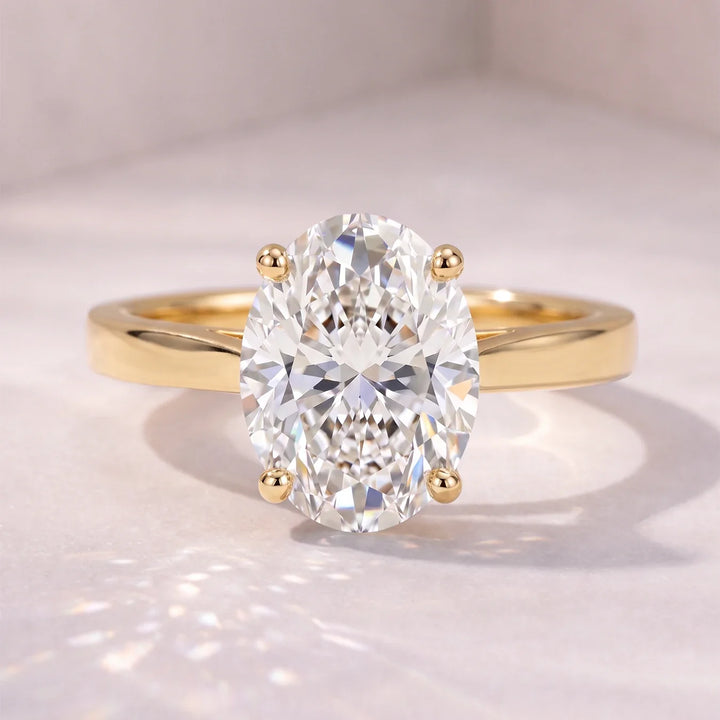
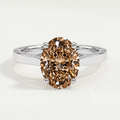
Explore our coloured gemstone engagement rings, including oval-cut gemstone rings and gemstone solitaire rings.
What are lab-grown gemstones?
Lab-grown gemstones are genuine gemstones created under controlled conditions rather than extracted from the ground. For example, a laboratory-grown ruby is corundum, just like a mined ruby, while a laboratory-grown emerald is beryl, just like a mined emerald. Their chemical composition, crystal structure and optical properties are substantially the same as those of their natural counterparts, although growth features and inclusions can differ.
The term precious gemstones traditionally refers to diamonds, rubies, sapphires and emeralds. However, the distinction between ‘precious’ and ‘semi-precious’ is historical rather than a reliable measure of a gemstone's quality, rarity or value.
How are gemstones formed?
Natural gemstones can develop through different geological processes. Some crystallise as molten rock cools; others form when mineral-rich fluids move through rock or when existing minerals change under heat and pressure. Laboratory growth uses carefully controlled techniques to reproduce suitable conditions for particular gem materials.
- Igneous processes: some minerals crystallise as magma or other molten material cools.
- Hydrothermal processes: crystals grow from hot, mineral-rich fluids, a method also used to produce certain laboratory-grown gemstones.
- Metamorphic processes: changes in heat, pressure and surrounding chemistry can help form gemstones, including some natural rubies and sapphires.
- Sedimentary processes: weathering, transport and deposition can concentrate gemstones, while some gem materials form through processes associated with sedimentary environments.

Why choose a laboratory-grown coloured gemstone?
Laboratory growth can produce gemstones in a wide variety of colours, sizes and cuts, offering more choice than may be readily available in similarly priced mined stones. It can also make a richly coloured centre stone more accessible without compromising on the identity of the gem material.
When comparing stones, consider colour, cut, clarity, proportions and overall appearance. Colour is particularly important for sapphires, rubies and emeralds. The best choice is not necessarily the largest or most intensely coloured stone: it is the one whose appearance suits your design and preferences.
Lab-grown does not automatically mean impact-free. Environmental considerations depend on the production method, energy source and wider supply chain. Ask about the specific gemstone and its provenance rather than relying on broad sustainability claims.
Explore the most popular coloured gemstones
Emerald: distinctive green
Emerald is the green variety of the mineral beryl. Its rich colour has made it a favourite in jewellery for centuries. Emeralds generally require more careful handling than sapphires or rubies, particularly when worn every day. Explore our lab-grown emerald rings.

Ruby: vivid red
Ruby is the red variety of corundum, prized for its vibrant colour. With a hardness of 9 on the Mohs scale, ruby is well suited to many everyday ring designs, although no gemstone is completely resistant to damage. Discover our lab-grown ruby engagement rings.
Blue sapphire: timeless colour
Blue sapphires are a classic choice for engagement rings. Like ruby, sapphire is corundum and ranks 9 on the Mohs hardness scale. Blue sapphire is often associated with loyalty and commitment, making it a meaningful alternative to a diamond centre stone. Browse our lab-grown blue sapphire rings.
Yellow sapphire: a warm alternative
Yellow sapphire offers a fresh interpretation of a traditional engagement ring, with colours ranging from pale lemon to deeper golden tones. Its hardness makes it a practical option for many ring settings. Explore our lab-grown yellow sapphire rings.
Choosing the right setting and stone shape
Oval and round cuts remain versatile choices, while emerald, cushion, pear and other shapes can create a more individual look. Consider how the stone's proportions work with the setting, whether you prefer a solitaire or additional accent stones, and how the ring will sit alongside a wedding band.
For daily wear, pay attention to the security of the setting and the gemstone's resistance to scratches and knocks. A protective setting can be particularly useful for an emerald, which calls for more care than a sapphire or ruby.
Create a bespoke gemstone engagement ring
Coloured gemstones offer an opportunity to create something highly personal. Our bespoke ring design service can help you develop an individual design, from the choice of gemstone and metal to the shape of the band and finer setting details. We can work from your ideas and inspiration to create a ring that reflects your preferences.

Advice from Lily Arkwright
Our jewellery consultants can guide you through gemstone colours, cuts, settings and care. Some members of our team hold JET qualifications, while others are progressing through the National Association of Jewellers' JET training pathway. We are members of the National Association of Jewellers (NAJ).
For details about warranties, delivery and returns, consult our current Delivery & Returns information and relevant product terms.
See gemstone rings in person or online
Visit our Manchester or London showroom, or arrange a virtual consultation to compare designs and discuss your ideal gemstone ring. Book an appointment or contact us at hello@lilyarkwright.com.

Frequently asked questions
Are lab-grown gemstones real?
Yes. A lab-grown sapphire, ruby or emerald has the defining mineral composition and crystal structure of the corresponding natural gemstone. It is different from a simulant such as coloured glass.
Are lab-grown gemstones more affordable?
They are often less expensive than comparable mined gemstones, although pricing varies with the material, size, quality and design.
Can I wear a lab-grown gemstone ring every day?
Many can be worn daily with sensible care. Sapphires and rubies are particularly durable, while emeralds need more caution to reduce the risk of knocks and damage.
For further information, see our frequently asked questions or explore the gemstone ring collection.