









Lab Grown Gemstone Engagement Rings
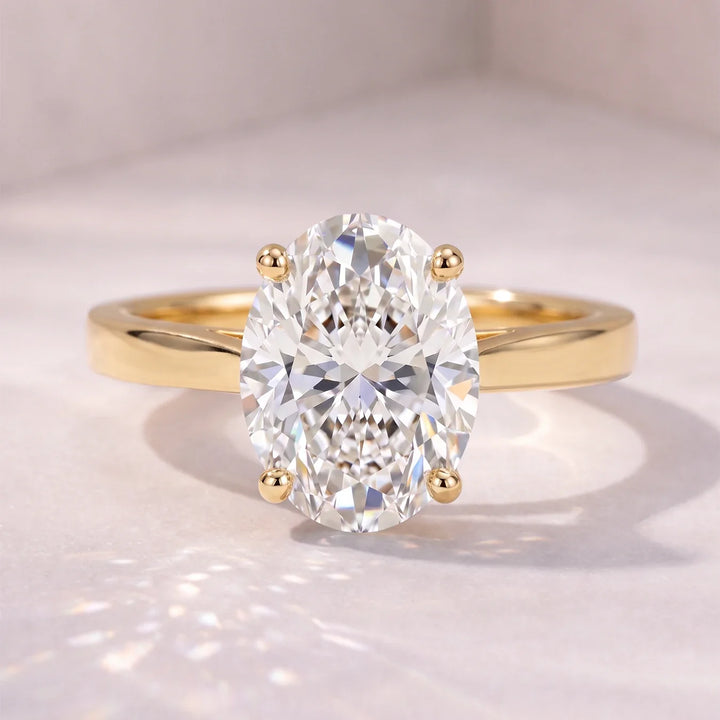
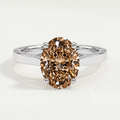
Coloured gemstone engagement rings celebrate individuality through rich, delicate and changing hues. Explore lab-grown sapphires, emeralds, rubies and alexandrite in platinum and gold, with settings from refined solitaires to halos and trilogy designs. Each gemstone has its own colour character and care considerations, making the choice of centre stone as personal as the ring's silhouette.


LOUELLA
Oval Emerald Oval Petite Trilogy Engagement Ring 18k Yellow Gold


PARIS
Green Emerald & Diamond 18k Yellow Gold Petite Hidden Halo


DIANA
Emerald & Lab Diamond 950 Platinum Halo


DIANA
Ruby & Lab Diamond 18k Yellow Gold


DARLEY
Ruby Elongated Cushion Micro Pavé 18k Yellow Gold Halo


EDEN
Round Alexandrite & Diamond 18k Yellow Gold Vine Ring


ROSA
Blue Sapphire & Diamond 950 Platinum Halo


EDEN
Princess Emerald & Diamond 950 Platinum Vine Solitaire Ring


PARIS
Radiant Pink Sapphire & Diamond 950 Platinum Petite Hidden Halo


ALLURE
Round Pink Sapphire Solitaire Engagement Ring 950 Platinum


LILLIE LUXE
Round Ruby Solitaire Engagement Ring 18k White Gold


LOTTIE
Round Emerald Solitaire Engagement Ring 950 Platinum


LOUELLA
Oval Alexandrite Oval Petite Trilogy Engagement Ring 18k Yellow Gold


MACY
Round Ruby 18k Yellow Gold Petite Pavé Shoulder Set Ring
Choosing a Lab Grown Gemstone Engagement Ring
A coloured gemstone engagement ring gives you the freedom to choose a centre stone for its character and colour as well as its shape. Compare oval gemstone engagement rings, with their softly elongated outline, against round gemstone engagement rings for a more symmetrical silhouette. Deep blue sapphire, vivid ruby, green emerald and colour-changing alexandrite create quite different impressions, even in the same setting. Lab growth describes how the gemstone is made; it does not mean that all gemstone species have identical properties.
Begin with colour and everyday practicality
Think about whether you prefer a subtle pastel shade or a saturated centre stone, then compare actual pieces under more than one light source. Sapphire and ruby are both varieties of corundum, while emerald belongs to the beryl family and has different care considerations. Gemstone hardness is only part of durability; inclusions, setting height and daily habits are also important.
Choose the setting around the colour
A gemstone solitaire engagement ring keeps the centre stone's colour clear, while a diamond halo creates a bright frame. Yellow gold can warm the overall effect; platinum and white gold create a cooler contrast. A bezel or appropriately placed claws may help protect exposed edges, depending on the cut. Compare blue sapphire engagement rings, lab grown emerald engagement rings and ruby engagement rings to see how each colour works with different settings.
Care, colour and the choice of centre stone
Gemstones are not interchangeable simply because they share a colour. Sapphire and ruby belong to the corundum family, while emerald and alexandrite have different physical characteristics and care needs. Ask what the selected lab grown stone is, rather than relying on its trade colour description, and consider how often the ring will be worn. Some designs benefit from a protective setting, particularly if their centre stone is exposed at the corners or edges.
Our consultants can help you choose a gemstone and setting together, with advice on wear, cleaning and matching a wedding ring to the final design.
2026 Award Nominations
Award Winning Jeweller
We’re proud to be recognised consistently by the UK jewellery industry’s leading awards programmes. In 2026, Lily Arkwright has been shortlisted for Branded Boutique of the Year at the Professional Jeweller Awards and Bridal Jewellery Retailer of the Year at the UK Jewellery Awards, reflecting our continued commitment to exceptional customer service, product innovation, and ethical craftsmanship.
These latest nominations build on previous industry recognition, including being shortlisted for Bridal Jewellery Retailer of the Year at the 2025 UK Jewellery Awards and Independent Retailer of the Year at the Professional Jeweller Awards 2025. We were also finalists for Retail Team of the Year at both the Retail Jeweller Awards and Professional Jeweller Awards in 2024, recognising the passion, expertise, and dedication of our team.
We’re honoured to be recognised for helping thousands of couples find the perfect engagement rings and wedding rings, with a strong focus on choice, transparency, and personalisation. As an award-winning jeweller, we remain committed to delivering exceptional service, exceptional craftsmanship, and responsibly sourced lab-grown diamonds, moissanite, and natural diamonds, ensuring every customer can find a ring that perfectly reflects their love story.

Lab Grown Gemstone Engagement Rings FAQs
Which coloured gemstones are best suited to an engagement ring worn daily?
If the ring will be worn every day, we'd start by considering the gemstone's durability alongside the colour you love. Sapphire and ruby are both forms of corundum and are highly resistant to scratching, whereas emeralds can be more vulnerable to knocks. Alexandrite offers a fascinating colour-change effect. No gemstone is completely impact-proof, so we'd look at the chosen cut and setting too. Our lab-grown sapphire engagement rings are a useful starting point if you want colour with excellent scratch resistance.
Are lab-grown emeralds, rubies and sapphires genuine gemstones?
Yes. A correctly identified lab-grown emerald, ruby or sapphire is a genuine example of that gemstone, with the same essential mineral composition as its mined counterpart. The distinction is its origin. Sapphire and ruby are both corundum, whereas emerald belongs to the beryl family, so their characteristics and care needs differ. We're happy to explain those differences and help you compare colours without treating every lab-grown gemstone as if it were the same material.
Why does a coloured gemstone ring look different in daylight and indoors?
Gemstones interact with light in different ways. An alexandrite can show a particularly noticeable colour change between daylight and warmer indoor lighting, while some sapphires, rubies and emeralds simply appear lighter, darker or warmer. We'd recommend viewing the selected stone under more than one light source, especially if you love a very specific shade. Your precious-metal choice matters too, as yellow and rose gold create a different frame from platinum or white gold.
Should I choose a coloured gemstone or a coloured lab-grown diamond?
A coloured lab-grown diamond remains diamond, while a sapphire, emerald or ruby is a different mineral with its own optical character and care requirements. If it's the colour you're drawn to, we'd suggest comparing actual stones rather than deciding by gemstone name alone. A rich blue sapphire may look very different from a blue diamond with similar dimensions, for example. Our coloured lab-grown diamond rings offer another way to explore colour.
Which setting protects a coloured gemstone engagement ring best?
We'd choose the setting around the particular gemstone rather than apply one rule to them all. Emeralds, for instance, merit a little extra thought about protection from impacts, while pointed shapes need careful support regardless of material. A bezel covers more of the stone's perimeter, whereas claws make more of the outline visible. We'd also check the height of the basket and how the ring will sit next to a wedding band, especially for everyday wear.
Need help choosing your jewellery?
Our jewellery specialists would be delighted to help you compare designs at our London or Manchester showrooms, or in a virtual consultation.