


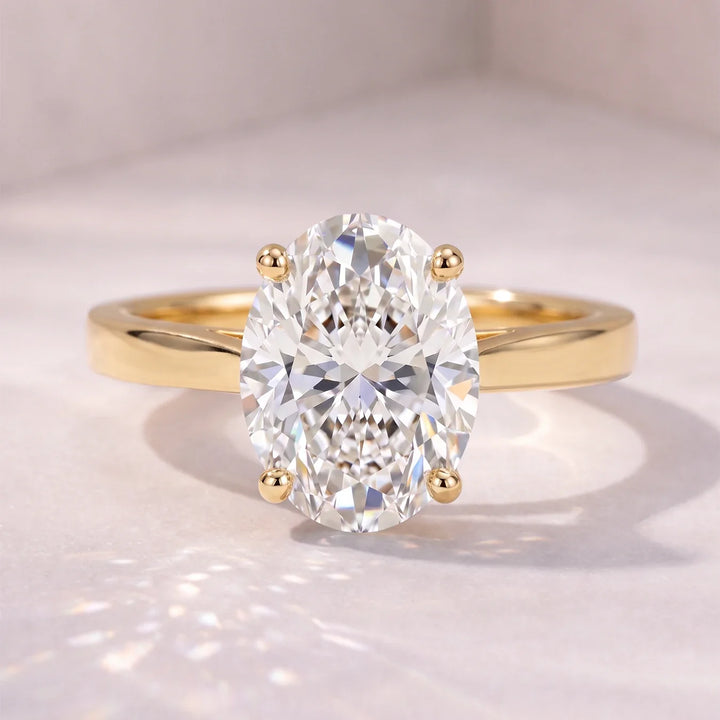







Birthstones in Engagement Rings: Choosing Your Gemstone
Updated
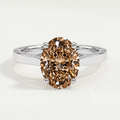
A birthstone can add a personal connection to an engagement ring. You might choose your own birth month, your partner’s, or the month you met. It can take centre stage, sit beside another gemstone or become a small detail tucked inside the band.
The birthstones associated with each month give you a starting point. From there, think about how you’ll wear the ring. Some gemstones cope well with frequent wear; others need a gentler routine and a carefully considered setting.
Which birthstone belongs to each month?
The table below follows the Gemological Institute of America’s birthstone list. Traditions vary, and several months have more than one gemstone to choose from.
| Month | Birthstones |
|---|---|
| January | Garnet |
| February | Amethyst |
| March | Aquamarine, bloodstone |
| April | Diamond |
| May | Emerald |
| June | Pearl, alexandrite, moonstone |
| July | Ruby |
| August | Peridot, spinel, sardonyx |
| September | Sapphire |
| October | Opal, tourmaline |
| November | Topaz, citrine |
| December | Tanzanite, turquoise, zircon |
Choosing a stone for a ring you’ll wear often
Ruby and sapphire are practical starting points for a coloured engagement ring: both resist scratching well and have excellent toughness. Diamond is highly scratch resistant too, although even a diamond can chip if it takes a hard knock.
Hardness tells you how easily a gemstone scratches. It doesn’t tell you everything about its resistance to chips, heat or chemicals. The individual stone’s condition and any treatments matter as well, so ask what care it needs before settling on a design.
An emerald can be a lovely choice for May, but it needs more care than ruby or sapphire. Find out whether the stone has been clarity enhanced and follow the jeweller’s cleaning advice. Pearl, opal and tanzanite also call for gentler handling. A protective setting may help, but it cannot make a delicate gem damage-proof.

Look at the gemstone, as well as the colour
If the birth-month connection matters to you, check the material named in the specification. A lab-grown ruby is ruby grown in a laboratory. A different red gemstone may give you a similar look, but it isn’t a ruby.
Colour names can be less straightforward. Lulu’s pale-blue centre is a lab-grown sapphire, set on a slim 18k rose-gold band. “Aquamarine blue” describes its colour: the stone is sapphire, September’s birthstone, rather than March’s aquamarine. It’s a useful example of how a September ring can look quite different from the deep blue you might first picture.

You can also choose a gemstone simply because you love its colour. The important thing is knowing whether you’re choosing the birthstone itself or a colour that reminds you of it.
Making the birthstone the centre of the ring
A solitaire gives one gemstone room to stand out. A trilogy introduces two side stones, which can add contrast or bring together more than one meaningful gem.
For a July birthstone at the centre, Leanora pairs a round lab-grown ruby with two lab-grown diamonds. Its plain yellow-gold band keeps the focus on the ruby and its two diamond side stones.

Adding colour around another centre stone
You don’t have to give up a diamond centre to include a birthstone. Coloured side stones or smaller accents may suit the design, depending on the gemstone, available sizes and setting. You could discuss sapphires for September or an emerald detail for May, with the same care questions you would ask about a centre stone.
Colour also works the other way round: a coloured centre with smaller colourless stones along the band. Looking at both arrangements can help you decide how much of the ring you want the birthstone to occupy.

A hidden birthstone for a quieter detail
A small gemstone inside the band or beneath the main setting can hold the same meaning without changing the ring’s appearance from above. It might be your partner’s birthstone, or a second birthstone alongside the one everyone can see.
Placement needs thought. Ask whether the chosen gemstone and size are suitable, how well it will be protected, and whether the position could affect comfort or future resizing. A hidden stone is still part of a ring that will be worn and knocked against things; being out of sight doesn’t automatically protect it.
Our customisation options and bespoke design service are starting points for discussing what can work with your chosen ring.

Bringing your idea to a consultation
You don’t need a finished design before speaking to the team. Bring the month or gemstone you have in mind, a few rings you like and a budget you feel comfortable with. It also helps to explain how you’ll wear the ring: whether your work is hands-on, for example, and how often you’re happy to take it off.
Ask the team to confirm the centre and accent materials separately, including whether they are natural or lab-grown, any treatments, and the care the finished ring will need. For a bespoke design, agree the stone positions, setting, sizing and expected timescale before proceeding.
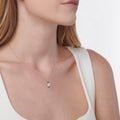
If your preferred birthstone feels too delicate for your engagement ring, you can still wear it another way. For example, necklaces and earrings can be alternatives to discuss, and our gemstone fine jewellery collection offers a place to explore them. Each piece will still need care suited to its stones.
If timing matters, explore the Ready to Ship collection and check the current estimate for the item and size you need. Resizing and delivery can add time, so confirm the date before ordering.
Whether the birthstone is the first thing you notice or a detail only you know about, the ring should feel right for you. Our Premium Design Service can help you work through the gemstone and setting choices together.