









Lab-Grown Diamonds: A Guide to Choosing Your Ring
Updated 30 October 2026
Lab-grown diamonds are diamonds made in a laboratory. They have essentially the same chemical, physical and optical properties as natural diamonds, but a different origin and growth history. When choosing an engagement ring, compare the individual diamond, its paperwork, the setting and the complete price.
This guide explains how laboratory-grown diamonds are made, what a report can tell you and which questions help you choose a ring you will enjoy wearing.
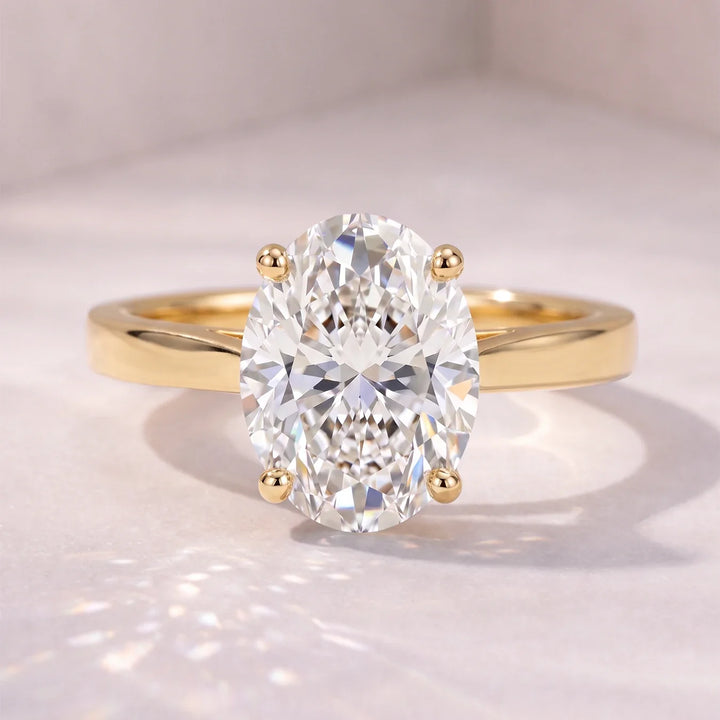
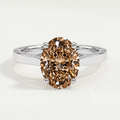
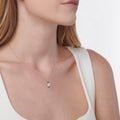
The photographs illustrate setting styles. Confirm the gemstone material, metal and dimensions of the configuration you choose.

What are lab-grown diamonds?
A lab-grown diamond is carbon arranged in the diamond crystal structure. Natural diamonds formed through geological processes; laboratory-grown diamonds are produced using controlled manufacturing methods. Both are diamonds, although their growth characteristics allow specialist laboratories to distinguish them.
Moissanite and cubic zirconia are different materials. They can resemble diamond, but they have different properties and should be described separately. Appearance alone cannot establish a colourless stone's identity. GIA explains the distinction between natural and laboratory-grown diamonds.
How are lab-grown diamonds made?
Two principal methods are used:
- High pressure, high temperature (HPHT): diamond grows from a carbon source around a seed under high pressure and heat.
- Chemical vapour deposition (CVD): carbon from a carbon-rich gas is deposited onto a diamond seed in a growth chamber. This does not use the extreme pressure of HPHT.
Some stones undergo post-growth treatment to change their colour. Growth, treatment, cutting and polishing are separate stages; there is no single production timetable for every diamond. Ask what the document for your chosen stone records. GIA describes these growth and treatment processes.
What does a lab-grown diamond report tell you?
Ask to see the document for the actual diamond before buying. Check the laboratory, report type, issue date, measurements and identifying number. Verify that number through the issuing laboratory and ask the jeweller how the stone is matched to the document.
Reports differ between laboratories and over time. Since 1 October 2025, GIA's service for eligible loose colourless to near-colourless laboratory-grown diamonds of 0.15 carats or more has used an overall Premium or Standard quality assessment. Its coloured laboratory-grown diamond services have a different scope. Earlier GIA documents may use different terminology. See GIA's current laboratory-grown diamond services and its October 2025 service announcement.
IGI continues to describe laboratory-grown diamonds using the 4Cs. Its finished-jewellery reports assess centre stones as the mounting permits, so a mounted-ring report is not interchangeable with a loose-stone report. Check whether growth method or treatments are recorded, rather than assuming every document includes the same fields. IGI describes its laboratory-grown diamond reports here.
A centre-stone report does not automatically cover every small accent stone. Ask which stones the supplied paperwork identifies. A grading or identification report also does not, by itself, establish a ring's environmental impact or verify its complete supply chain.

How to compare quality and visible size
The 4Cs remain useful buying vocabulary, but read them alongside the actual laboratory's document and a view of the stone.
Cut and shape
Shape describes the outline, such as round, oval or emerald. Cut also concerns facet arrangement, proportions and workmanship, which affect the way a diamond handles light. GIA's standard overall cut grade applies to round brilliant diamonds within its stated scope; do not assume that every fancy shape receives that grade or that every laboratory uses the same system. Look at the individual stone moving under different lighting. GIA explains diamond cut and its grading scope.
Colour
Where a report uses the D-to-Z scale, D is at the colourless end and increasing letters describe increasing yellow or brown colour within that scale. Fancy colours are assessed differently. A grade is not a promise that everyone will see the same appearance: shape, size, lighting and surrounding metal affect your impression. Compare stones in similar conditions and choose the appearance you prefer. GIA explains the D-to-Z colour scale.
Clarity
Clarity describes internal inclusions and surface blemishes. The GIA clarity scale runs from Flawless (FL), through Internally Flawless (IF), VVS, VS and SI grades, to Included (I1–I3). These assessments use 10× magnification. Visibility to the unaided eye depends on the individual characteristics and stone; a grade alone does not guarantee an “eye-clean” appearance. See GIA's clarity scale.
Carat weight and measurements
Carat measures weight, not visible size: one carat equals 0.2 grams. Compare diameter for a round stone and length and width for an elongated shape, alongside depth and proportions. Two diamonds of equal weight can have different face-up outlines. Check whether a ring's stated weight refers to the centre diamond or the combined weight of several diamonds. Read GIA's carat-weight explanation.

Price, setting and the complete ring
Compare current quotes for complete rings with the same relevant specifications. Origin, weight, colour, clarity, cut, metal and setting all affect the comparison. A saving on one pair of rings is not a fixed percentage across the market, and a larger diamond is not automatically the right choice for your budget or taste.
Consider how the setting works in daily life. Try the band width and setting height, check how the ring sits beside a wedding band and ask about protection for pointed corners. A solitaire, halo, shoulder-set ring and trilogy can have very different overall coverage even when their centre stones weigh the same.
When browsing design names such as Grace solitaire and Macy, check the current product's selected stone and setting rather than assuming a name or photograph defines every configuration. For vine-style detailing, compare the rose gold version and Eden references with the actual options available. If pairing an engagement ring with an Ivy eternity band, confirm the fit and the materials of both rings.
Our wider earring collection includes different gemstone choices. For the Scarlett Set, confirm the gemstone and current availability before ordering. Do not assume that every design in the collection uses laboratory-grown diamonds.
The existing Telegraph feature, where to buy an engagement ring online, is background reading rather than confirmation of today's specifications or prices.
What should I ask about sourcing and environmental claims?
Laboratory-grown describes how a diamond was made. It is not a guarantee of zero environmental impact, a particular carbon footprint or complete traceability. Growing and finishing a diamond require energy and other inputs; the metal, accent stones, manufacturing and transport also matter to the complete ring.
Ask what evidence supports a specific claim: which producer and product it covers, which manufacturing stages were assessed, the period studied and the limitations of any comparison. A statement about renewable electricity at one stage should not automatically be extended to the whole ring. The CMA's Green Claims Code explains why clear scope and evidence matter.
The Kimberley Process is a certification scheme concerning trade in rough diamonds and conflict diamonds within its defined remit. It is not a comprehensive labour or environmental audit. Its scope should not be used to imply that laboratory growth removes every supply-chain concern. Read the Kimberley Process's explanation.
Hallmarking concerns precious-metal fineness; it does not identify the origin of a diamond. Our existing Assay Assured article provides background on hallmarking and membership terminology. Ask the team about the current evidence for any membership or sourcing assurance relevant to your purchase.
Are lab-grown diamonds suitable for everyday wear?
Diamond rates 10 on the Mohs scale for scratch resistance. Hardness does not mean immunity to chips, fractures or a damaged setting. Remove your ring before activities likely to involve hard knocks and have a jeweller check a loose stone or damaged claw.
Follow care advice for the whole ring, including any accent stones or treatments. Gentle cleaning with a soft brush and mild soapy water may be suitable; ask the jeweller before using ultrasonic or steam equipment, which can loosen stones. GIA's diamond care guide explains the difference between hardness and toughness.
Common questions
Can a jeweller tell whether a diamond is lab-grown?
A specialist laboratory can identify growth characteristics using appropriate equipment. A simple diamond tester or a naked-eye view is not sufficient to establish natural versus laboratory-grown origin. Use the stone's report and professional identification where needed.
Do lab-grown diamonds become cloudy?
Laboratory origin does not mean a diamond is expected to become cloudy with age. Surface dirt can reduce its brightness, while damage or pre-existing characteristics need a jeweller's assessment. If the appearance changes, have the whole ring inspected rather than assuming cleaning will solve it.
Are all lab-grown diamonds colourless?
No. Laboratory-grown diamonds are available in different colour ranges, including fancy colours. Check the individual stone's description and any disclosed treatments.
What should I check before ordering?
Confirm the selected stone, report, metal, ring size, delivery arrangements, resizing options and applicable returns and warranty terms. The current public returns policy describes a 50-day window, unworn-condition requirements and exclusions including engraved, personalised, bespoke/made-to-order items and purchases over £15,000 unless faulty or otherwise agreed in writing. Return-postage arrangements differ by destination. The terms describe lifetime cover for manufacturing and processing defects, with exclusions; that is not cover for every kind of wear, accidental damage or loss. Ask which terms apply to your particular order.

Choosing your ring with Lily Arkwright
Bring the questions that matter to you: the outline you like, a comfortable budget, the report you want to understand and any sourcing evidence you would like to see. A one-on-one consultation at our UK showroom can help you compare current options; check the available location and appointment details when booking.
View our most frequently asked questions or contact us at hello@lilyarkwright.com for help with your chosen ring.