


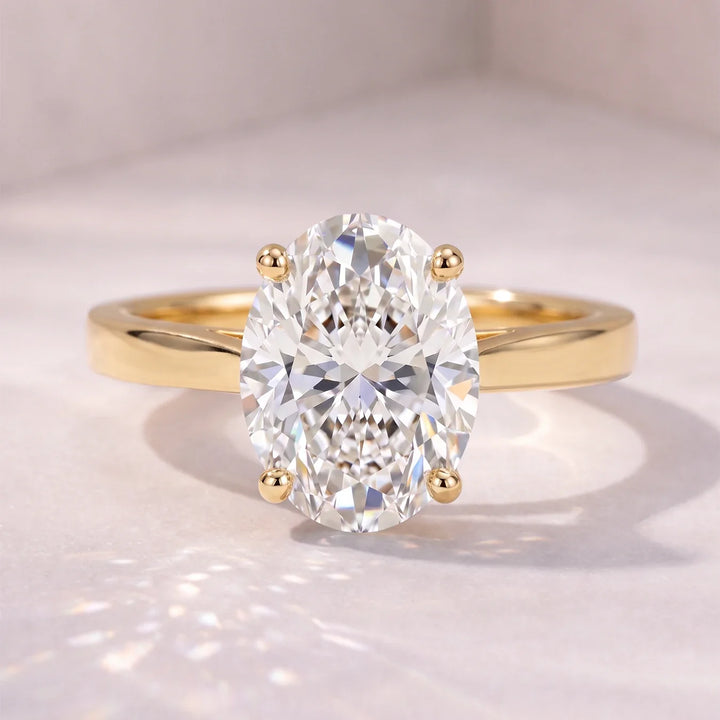







Are Yellow Diamond Engagement Rings a Good Idea?
Updated 16 November 2026
A yellow diamond can be a lovely choice if you enjoy colour in the jewellery you wear. Start with the shade itself: some stones look softly yellow, while others have a stronger colour. Then compare the setting, the report and the complete-ring price. The right choice is the combination you like and can comfortably afford.
What is a yellow diamond?
Yellow describes a diamond's colour, not how it formed. A yellow diamond may be natural or laboratory grown, and colour can also be treated. Ask for the report for the stone you are considering so its origin and any stated treatment are clear.
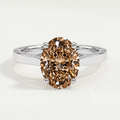
The shade can vary from a pale yellow to a much stronger colour. Compare the actual stones rather than relying only on a colour name or a photograph. Laboratory-grown diamonds need the same individual attention; they do not all look alike.
Can you wear a yellow diamond every day?
Diamond is highly resistant to scratching, but it can still chip if it receives a hard knock. A yellow diamond needs the same sensible care as other diamond jewellery. Remove the ring for activities such as weight training, gardening or work that could knock the stone or damage the setting.
The setting's condition matters too. If a claw catches, looks bent or allows the stone to move, stop wearing the ring and have it checked. Hardness does not make a diamond ring indestructible.
Choosing a shade and metal you like
You do not need to match a yellow diamond to a particular skin tone or style. Try it beside the jewellery you already wear and see whether you like the combination. Our yellow diamond engagement rings are a place to compare different settings and outlines.
Yellow gold can blend with the stone's colour, while a pale setting creates a different contrast. White metal will not automatically make every yellow diamond look stronger; the result depends on the shade and the whole design. A halo changes the outline again, adding smaller stones around the centre.
Look at the diamond in the proposed setting where possible. Compare options in similar lighting, rather than judging from unrelated photographs. Metal and lighting can change your impression of the colour without changing the diamond's laboratory colour grade.
What affects the cost?
Natural or laboratory-grown origin, colour, carat weight, cut and clarity all affect the price, alongside the metal and setting. Ask for a complete-ring quote with the selected centre stone included. There is no universal price comparison with a colourless diamond ring.
If you use a 1 carat lab diamond as a starting point, remember that the weight alone does not establish the cost or how large the stone will look. Compare measurements as well as weight, and check the price of each configuration you are considering.
Is a yellow diamond right for you?
Choose the colour first, then check what that particular stone and setting cost together. If the quote is higher than you want to spend, compare a different weight or a simpler setting before giving up the detail you liked most. The shade you enjoy wearing matters more than whether someone else would choose it.