









Lab-Grown Diamond Prices & Value
Updated
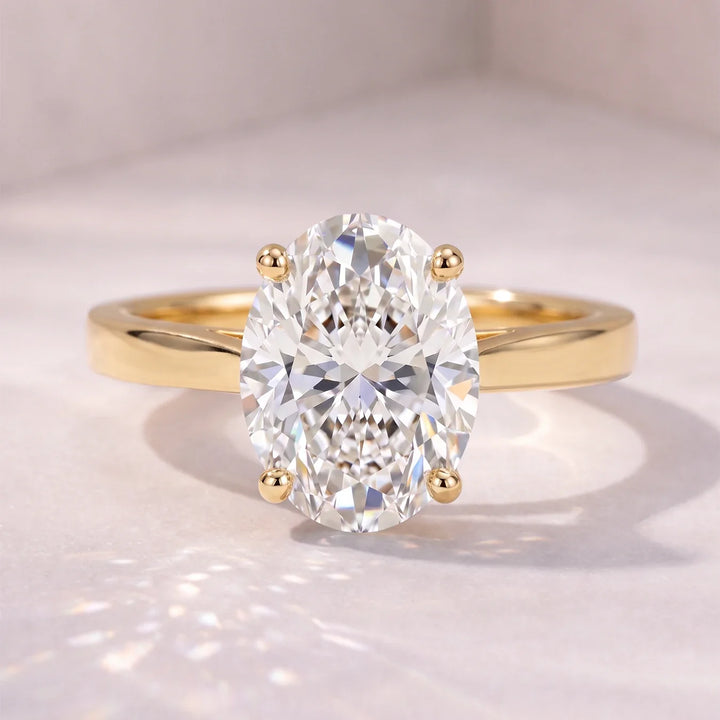
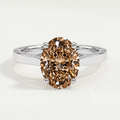
These two complete-ring prices were checked on 17 November 2026. Both configurations have a 1.00ct oval lab-grown centre diamond in G colour and VS1 clarity, an 18ct yellow gold setting and UK ring size M, with no optional upgrades.
On smaller screens, scroll across to compare all columns.
| Ring | Setting | UK price including VAT |
|---|---|---|
| Isabella | Four-prong solitaire with a plain band | £1,732 |
| Paris | Hidden halo of small diamonds beneath the centre stone | £1,682 |
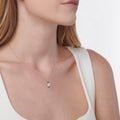
The settings differ, so these are two finished-ring examples, not a general price range. Check the current total after selecting your own options; prices can change. The photographs below illustrate the designs, not the exact quoted 1ct configurations.
You do not need to choose the largest stone or the highest grade in every category. The aim is to understand what changes when you spend more, then decide whether that change matters to you. Our lab-grown diamond engagement rings are a starting point for comparing designs and current options.
Start with a budget for the whole ring
Choose an amount you are comfortable spending before narrowing your search. Allow for the centre stone, its setting and any changes you want, such as a different band width or engraving. If you are choosing a wedding ring at the same time, keep that cost in view too.
Check what each advertised price includes. A loose-diamond price, a setting-only price and a complete-ring price answer different questions. A collection’s “from” price may refer to a smaller centre stone or another specification than the one in the photograph. Select the options you want before comparing totals.
Put the quotations beside each other
For each ring, note the following details. If one is missing, ask for it before deciding that the lower price represents better value.
- Centre diamond: laboratory-grown origin, shape, carat weight and measurements in millimetres.
- Quality information: the exact grading document, its laboratory and report type, alongside photographs or video of the stone.
- Setting: metal and fineness, band width, additional stones and any agreed alterations.
- Complete order: ring size, final total, what is included, delivery estimate and applicable aftercare terms.
Keep the centre-stone weight separate from total diamond weight. A ring described by the combined weight of its centre and accent stones is not a direct comparison with a solitaire whose stated weight refers to one diamond.
Pay attention to the difference you can see
Cut affects how a diamond handles light. Colour and clarity describe other characteristics, but a higher grade does not tell you how much more you will enjoy wearing that particular stone. View the shortlisted diamonds in similar lighting and at a normal viewing distance, as well as enlarged. The diamond 4Cs guide explains how those characteristics affect a buying decision.
If a higher colour or clarity option costs more, ask to see the two stones beside each other. You may prefer the difference; you may find it subtle enough to spend elsewhere. There is no single grade that gives everyone the best balance. Shape, size, inclusions and the surrounding metal all affect the comparison.
Read the diamond report guide if the paperwork uses unfamiliar language. Laboratories and report types differ, so avoid treating similar-sounding labels as interchangeable.
Compare millimetres as well as carats
Carat measures weight. Length and width help you judge how much of the finger a diamond may cover. Two stones with the same carat weight can have different proportions, and an elongated outline gives a different impression from a round one. See diamond shapes and sizes for a practical guide to those measurements.
Ask for the measurements of the actual diamond rather than relying on a generic size chart. Check the size shown in product and model photographs too: one product gallery can show more than one carat weight. A larger image on your phone is not evidence of a larger stone.

Look at the setting as part of the price
A plain solitaire and a hidden-halo design put their detail in different places. Isabella has a four-prong setting and a plain band. Paris adds a line of small diamonds beneath its oval centre. Both examples shown here are in 18ct yellow gold. Our ring styles and settings guide compares these and other designs.
Those are design differences, not a claim that one always costs more or offers better value. Choose comparable centre-diamond specifications, then check the current finished prices. Turn each ring sideways and decide which profile and band width you prefer. The less obvious details still matter when you wear it.

Make an upgrade earn its place
Try changing one choice at a time. Compare a larger stone in the same setting, then compare a different setting with a similar stone. Changing the diamond, metal and band together makes it difficult to see what is driving the total. If you are weighing up origin as well, use our lab-grown vs natural diamond comparison.
Ask about the care each option needs and how the ring sits next to your intended wedding band. A choice that looks appealing in isolation may be less useful if it does not suit the combination you plan to wear. Value includes that practical fit, not just the specification on the order.
Before you commit
Save the final specification and quotation, including any alterations. Confirm the expected delivery date for that order and read the delivery and returns policy and warranty and resizing terms. Ask the team to clarify anything that depends on your chosen design.
Lily Arkwright’s pricing promise explains its approach to year-round pricing. When you are ready to choose, use the current price of your complete configuration rather than an old screenshot or an assumed future discount.
Questions about lab-grown diamond prices
Does the purchase price tell me the ring’s future value?
No. The retail price, an insurance replacement valuation and a resale offer serve different purposes. An insurance figure is not a promise of what a buyer would pay. A grading report is not a monetary valuation either. Prices and market conditions can change, so avoid assuming a guaranteed future value or a standard resale percentage.
Does a grading report tell me what a ring should cost?
It helps identify and describe the diamond. It does not replace a complete-ring quotation, or show whether you prefer the setting, finish and appearance.
To compare current options within your budget, browse our lab-grown diamond engagement rings or book a showroom or virtual appointment.