


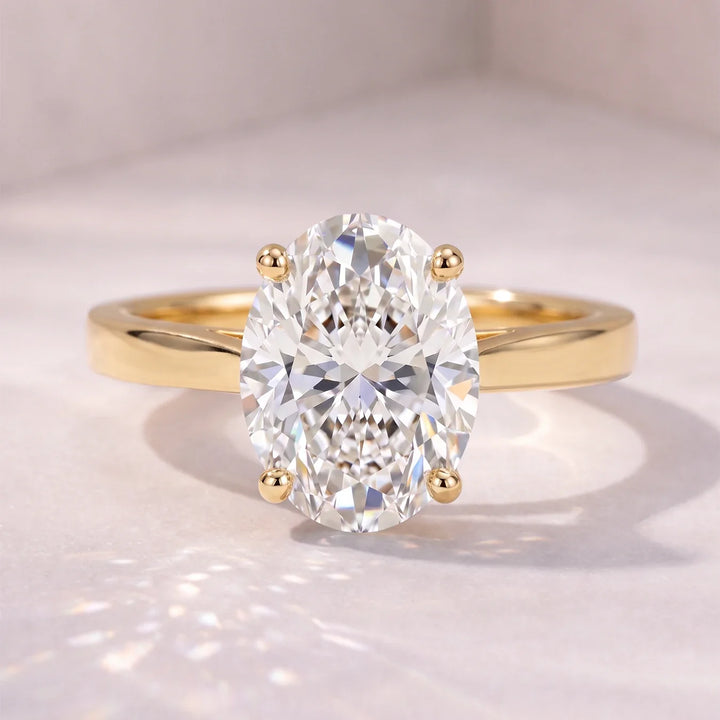






Oval Lab Diamond Engagement Rings
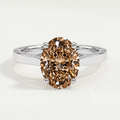
Oval lab-grown diamond engagement rings offer softly curved edges and an elongated silhouette that looks elegant on the finger. Discover slender solitaires, petite hidden halos and diamond-accented designs in platinum and gold. The length-to-width ratio makes each oval feel different, from full and rounded to more elongated, so the centre's actual measurements are especially helpful when comparing rings.


ISABELLA
Oval Lab Diamond 18k Yellow Gold Solitaire


PARIS
Oval Lab Diamond 18k Yellow Gold Hidden Halo


LIVELY
Oval Lab Diamond Platinum Petite Hidden Halo Pavé Shoulder Set


EDEN
Oval Lab Diamond 18k Yellow Gold Vine Solitaire


LULU
Oval Lab Diamond 18k Yellow Gold Petite Solitaire


PARIS
Oval Lab Diamond Platinum Hidden Halo


LOUELLA
Oval Lab Diamond 18k Yellow Gold Trilogy Ring


BLOSSOM
Oval Lab Diamond & Pear Lab Diamond 18k Yellow Gold Trilogy Ring


VIOLA
Oval Lab Diamond Platinum Shoulder Set


MORGAN
Oval Lab Diamond 18k Yellow Gold East West Bezel Solitaire


EDEN
Oval Lab Diamond Platinum Vine Solitaire


EVERDEEN
Oval Lab Diamond 18k Yellow Gold Trilogy Ring


ISABELLA
Oval Lab Diamond 950 Platinum Solitaire


MARGOT
Oval Lab Diamond 18k Yellow Gold Bezel Solitaire


EVERDEEN
Oval Lab Diamond 950 Platinum Trilogy Ring


ALLURE
Oval Lab Diamond 18k Yellow Gold Scatter Ring


ALLURE
Oval Lab Diamond Platinum Scatter Ring
EDEN
Oval Lab Diamond 18k White Gold Vine Solitaire


LULU
Oval Lab Diamond Platinum Petite Solitaire


LULU
Oval Lab Diamond 18k Rose Gold Petite Solitaire
Choosing an Oval Lab Diamond Engagement Ring
An oval lab diamond can create a graceful, elongated shape without the pointed tips of a marquise. When comparing oval stones, look first at the outline: a fuller oval feels quite different from a slender one, even when the carat weight is the same. The most attractive proportion is a matter of personal preference, not a fixed number.
Check the individual stone in movement
Oval brilliant diamonds can show a darker bow-tie area across their centre. Examine photographs or video of the diamond you have selected and look for a pleasing balance of light and shade. Its shoulders, symmetry and face-up measurements are also worth comparing. Read the actual laboratory report rather than relying on a general grade description.
Look beyond the length-to-width ratio
Two oval lab diamonds with very similar proportions can still differ in outline, contrast and visible brightness. Pay attention to the shape of the shoulders and how softly the ends curve towards the tips. In a four-claw setting, check the position and symmetry of the claws; in a halo, make sure the surrounding diamonds follow the outline neatly. A video of the actual diamond is particularly useful for this cut.
The mounting can change how broad the ring appears. A lab diamond solitaire setting emphasises the centre; a halo adds a wider frame, while a hidden halo lab diamond ring reveals subtle detail from the side. Check the claws and wedding-band fit before choosing. To compare the oval shape across other centre-stone options, see our oval engagement rings.
2026 Award Nominations
Award Winning Jeweller
We’re proud to be recognised consistently by the UK jewellery industry’s leading awards programmes. In 2026, Lily Arkwright has been shortlisted for Branded Boutique of the Year at the Professional Jeweller Awards and Bridal Jewellery Retailer of the Year at the UK Jewellery Awards, reflecting our continued commitment to exceptional customer service, product innovation, and ethical craftsmanship.
These latest nominations build on previous industry recognition, including being shortlisted for Bridal Jewellery Retailer of the Year at the 2025 UK Jewellery Awards and Independent Retailer of the Year at the Professional Jeweller Awards 2025. We were also finalists for Retail Team of the Year at both the Retail Jeweller Awards and Professional Jeweller Awards in 2024, recognising the passion, expertise, and dedication of our team.
We’re honoured to be recognised for helping thousands of couples find the perfect engagement rings and wedding rings, with a strong focus on choice, transparency, and personalisation. As an award-winning jeweller, we remain committed to delivering exceptional service, exceptional craftsmanship, and responsibly sourced lab-grown diamonds, moissanite, and natural diamonds, ensuring every customer can find a ring that perfectly reflects their love story.

Oval Lab Diamond Engagement Rings FAQs
What proportions matter most for oval lab-grown diamond engagement rings?
Oval lab-grown diamonds come in several pleasing proportions. A fuller oval feels softer, while an elongated stone can create a more slender outline on the hand. We'd recommend comparing length and width in millimetres and looking at the actual centre in a ring rather than choosing only by carat weight. Even two diamonds of the same weight can present quite differently depending on their depth and proportions.
How can I assess the bow-tie effect in an oval lab-grown diamond centre stone?
An oval may show a darker area across the middle, commonly called a bow-tie. How strongly it appears varies with the individual cut and the lighting, so we would never judge it from a grading report alone. A rotating video is very helpful for seeing the stone's overall light performance. If you prefer a more symmetrical outline, our round lab-grown diamond rings provide a useful comparison.
Which settings suit an oval lab-grown diamond ring?
An oval solitaire can look beautifully refined, especially with a band that doesn't compete with the elongated centre. A halo adds visible width around the stone, while a bezel creates a smooth metal outline. We'd also examine the claws at the ends of the oval and the basket height. That side view helps you understand how the ring will feel and whether a straight wedding band can sit close alongside it.
Need help choosing your jewellery?
Our jewellery specialists would be delighted to help you compare designs at our London or Manchester showrooms, or in a virtual consultation.