










What Matters Most in a Diamond: Cut, Clarity or Colour?
When choosing a diamond, you will often hear about the 4Cs: cut, clarity, colour and carat. Each characteristic contributes to a diamond's appearance, quality and price, but they do not all have the same visual impact.
If you are wondering whether cut, clarity or colour matters most, there is no single answer for every diamond. However, understanding how each of these characteristics affects a stone can make it much easier to decide where to prioritise your budget.
What Are the 4Cs?
The 4Cs are the internationally recognised system used to describe a diamond: cut, clarity, colour and carat weight.
Carat refers to the diamond's weight, while cut, clarity and colour describe different aspects of its appearance and characteristics.
Although these factors are often discussed together, they affect a diamond in different ways. A larger diamond is not automatically more beautiful, and a higher clarity grade does not necessarily mean that a diamond will look noticeably different to the naked eye.
This is why understanding the individual characteristics is useful when comparing diamonds.

Why Is Diamond Cut Important?
For many people, cut is the most important of the 4Cs because it has a significant influence on how much light a diamond reflects.
Cut refers to how well a diamond's facets interact with light. A well-cut diamond can return light effectively, creating the brightness, sparkle and flashes that make diamonds so distinctive.
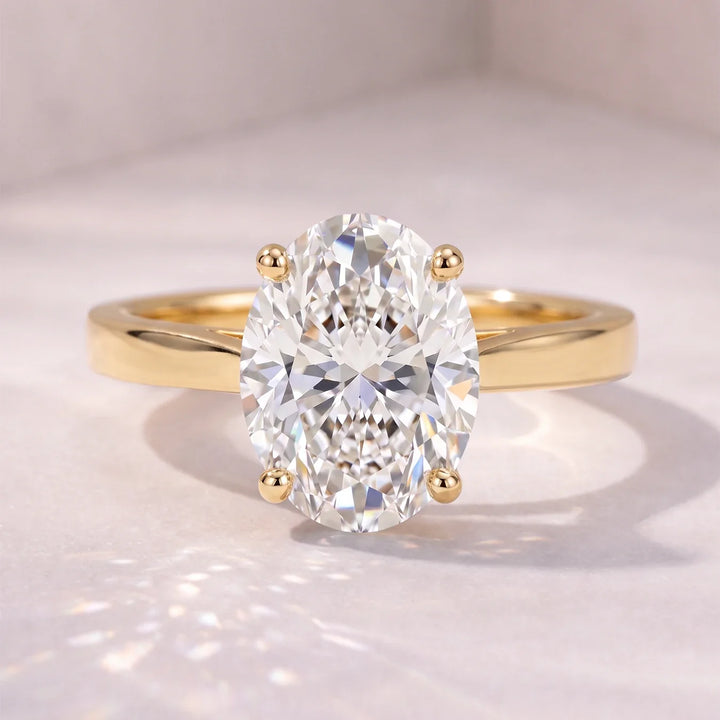
It is worth noting that diamond cut is not the same as diamond shape. Shape describes the outline of the stone, such as round, pear, or oval diamonds, whereas cut relates to the proportions, symmetry and finish of the diamond.
Because cut has such a noticeable effect on a diamond's appearance, it can be worth prioritising cut quality before simply choosing the highest possible clarity or colour grade.
How Important Is Diamond Clarity?
Clarity refers to the presence of internal characteristics, known as inclusions, and external characteristics, known as blemishes.
Diamonds are graded on a clarity scale, ranging from Flawless to Included. Higher clarity grades generally contain fewer visible characteristics, while diamonds with lower grades may have inclusions that are easier to identify.
However, clarity is often an area where you do not necessarily need to choose the highest available grade. Many inclusions are extremely difficult to see without magnification, and a diamond can appear clean to the naked eye without having a top clarity grade.
For this reason, choosing a diamond based on how it actually looks rather than focusing solely on its clarity grade can be a sensible approach.

Lily Arkwright Macy Marquise Cut Lab Diamond 18K Yellow Gold Engagement Ring
What About Diamond Colour?
Diamond colour describes how much colour is present in a stone. For traditional white diamonds, the grading scale generally runs from D, considered colourless, through to Z, where more noticeable yellow or brown tones can be present.
Higher colour grades can command a premium, but the difference between neighbouring grades is not always obvious when a diamond is viewed on its own.
The setting can also influence how the colour of a diamond appears. For example, the warmth of yellow or rose gold can create a different overall effect from a white metal setting.
As with clarity, the most suitable colour grade depends on the individual diamond, its shape and the setting you choose.
So, Which Matters Most?
If you are working within a particular budget, cut is often a good place to prioritise. A beautifully cut diamond can have impressive brightness and sparkle, making it particularly important for someone who wants a lively-looking stone.
After cut, clarity and colour can be balanced according to your preferences. Rather than automatically selecting the highest grade available, consider whether an increase in grade will create a visible difference.
For example, you may find that moving from one clarity grade to another has little noticeable effect when viewing the diamond without magnification, while the price difference can be considerable.

Finding the Right Balance
Choosing a diamond is ultimately about finding the combination of characteristics that gives you the appearance you love at a price you are comfortable with.
The 4Cs provide a useful framework, but they should not be treated as a strict ranking system. Two diamonds with similar grades can still look different because of their proportions, shape and overall appearance.
Whether you are looking for a classic round diamond, an elegant oval or another shape, taking time to compare stones can help you understand where your budget makes the biggest difference.
Rather than focusing on achieving the highest possible grade in every category, consider which characteristics matter most to you. For many diamond buyers, prioritising a strong cut and then finding a suitable balance of colour, clarity and carat weight can be an effective way to choose a beautiful stone without unnecessarily stretching the budget.