









How to Choose a Moissanite or Lab Diamond Stone Size
Created: January 01, 2020
Updated 10 November 2026
Start with two stone sizes you would like to compare. Look at their measurements in millimetres, then consider the shape and the setting around them. A centre stone can look quite different in a plain solitaire and a halo ring. The aim is to find a ring you enjoy wearing, within a budget you are comfortable with.
Carat Weight
Carats measure a gemstone’s weight. One carat equals 200 milligrams. Millimetres describe its dimensions. For a diamond, check both the carat weight and the measurements of the individual stone: two diamonds of the same weight need not have the same length and width.
Moissanite may also be labelled with a diamond-equivalent weight, sometimes shortened to DEW. This compares its approximate size with a diamond, rather than stating the moissanite’s actual weight. Check which label the product uses before comparing. Moissanite and diamond are different materials, so the same dimensions do not necessarily mean the same weight.
Millimetres
For a round stone, compare its diameter. For an elongated shape, compare both length and width. Your ring size describes the fit around your finger; it is a separate measurement from the stone size.
For reference, see the stone size comparison chart. Confirm the specification of your chosen stone before ordering. If you are comparing a halo with a solitaire, ask for the overall setting dimensions as well as those of the centre stone.
What’s your budget?
Set a budget for the complete ring, including the setting. When comparing moissanite engagement rings, decide whether you would rather have a larger centre, a different shape or a particular design. You do not need to choose a larger moissanite simply because it is available.
For another look at Lily Arkwright’s designs, the feature on Boho Weddings includes examples from our earlier collections. Use current product specifications and prices when making your own comparison.
Personal style
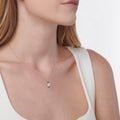
If you are choosing for someone else, look at what they actually wear and, where possible, ask what they like. A small everyday necklace does not necessarily tell you which engagement ring they would choose. A conversation about a few different designs can be more useful than guessing from one piece of jewellery.
Will a large stone get in the way?
Look at the ring from the side as well as above. The height of the setting and its outline matter when you put on gloves, reach into a pocket or use your hands at work. Try a similar design if you can, and notice how it feels as you move your hand.
A smaller centre does not automatically mean a lower setting. Compare the complete design, and remove your ring for activities where it could catch or take a knock. Insurance does not prevent physical damage.
Stone cuts and settings
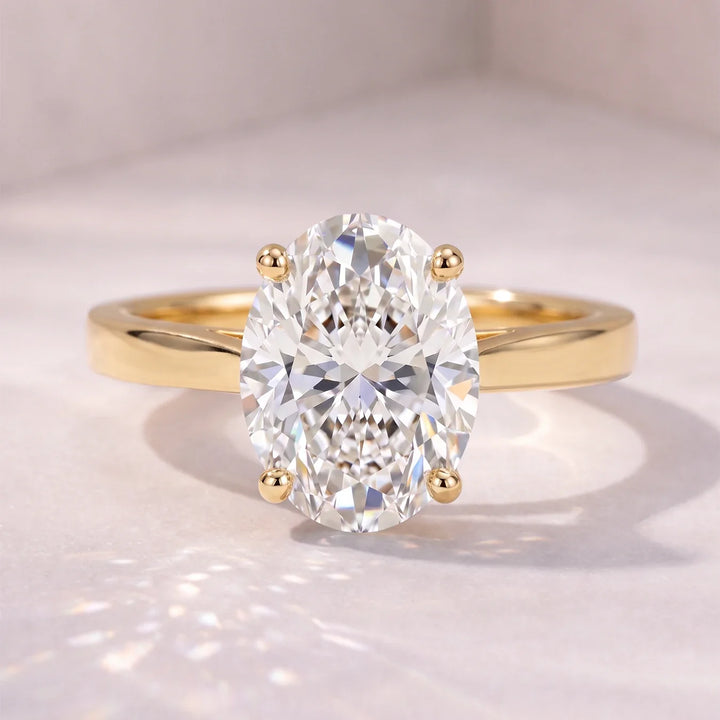
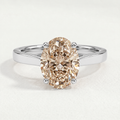
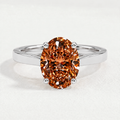
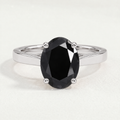
A halo adds a border of smaller stones, so the whole setting can cover more of the finger than a solitaire with the same centre. An elongated shape gives a different outline from a round one. Compare the actual measurements and the complete ring, rather than assuming one cut or metal will always look bigger.
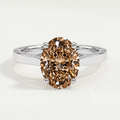
The size labels in these examples follow the original ring references. The photographs illustrate setting differences and are not shown at a matching scale. Check the measurements, weight label and available options for the ring you select, rather than judging its size from the photograph alone.
How big is too big?
Try two sizes in a similar shape and setting, then look at your hand from a normal viewing distance. Notice whether you like the amount of finger coverage and how the ring sits beside any wedding band. There is no single size that will suit everyone.
If you need help comparing specifications, email hello@lilyarkwright.com with the designs you are considering. Include their stone measurements so the team can discuss the differences with you.
Why Lily Arkwright?
Our team can help you compare moissanite and diamond engagement rings, including the stone measurements and how the setting affects the finished ring. For background on jewellery standards, see Assay Assured and the National Association of Jewellers . You can also read customer reviews on Trust Pilot.
To discuss a ring or arrange a consultation, call 0161 537 6773 or email hello@lilyarkwright.com.