









Diamond 4Cs: Cut, Colour, Clarity and Carat
Updated
When you compare diamonds, it is easy to get caught up in the letters and numbers on a report. Start with how the stone looks. Cut has a strong influence on brightness and sparkle; colour, clarity and carat weight help you decide which differences matter to you. The aim is to spend your budget on qualities you can appreciate in the finished ring.
What Are the 4Cs?
The 4Cs describe cut, clarity, colour and carat weight. Cut concerns how a diamond handles light, clarity describes inclusions and blemishes, colour describes the presence of colour, and carat measures its weight. Together, they give you a way to compare stones, but the highest grades do not automatically make a diamond the best choice for you.
On smaller screens, scroll across to compare all columns.
| The C | What it describes | A practical check |
|---|---|---|
| Cut | Facet arrangement, proportions and workmanship, which influence light performance. | View the stone moving in different lighting and check the scope of the laboratory’s cut assessment. |
| Colour | The presence of colour; fancy-coloured diamonds use a different assessment from the D-to-Z range. | Compare shortlisted stones in similar lighting and your chosen metal. |
| Clarity | Internal inclusions and surface blemishes. | Ask what is visible to the unaided eye in the particular stone. |
| Carat | Weight: one carat is 0.2 grams. | Compare the actual millimetre measurements as well as the weight. |

Why Is Diamond Cut Important?
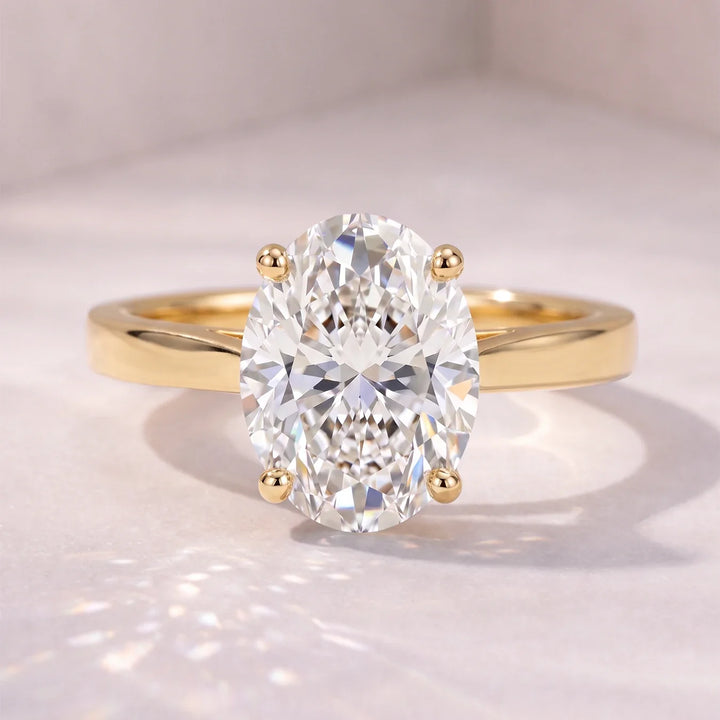
Cut makes a considerable difference to a diamond's appearance. The arrangement and proportions of its facets affect how light travels through the stone and returns to your eye, producing brightness, sparkle and flashes of colour.
Shape is the outline: round, pear or oval, for example. Cut describes more than that outline, so two diamonds of the same shape can look quite different.
Check what the laboratory assesses for your chosen shape. GIA's overall cut grade for natural diamonds applies to standard round brilliants in the D-to-Z colour range. An oval or emerald cut needs a different visual assessment. Photographs, video and viewing the stone can help you judge its appearance alongside the report.
How Important Is Diamond Clarity?
Clarity describes internal inclusions and surface blemishes assessed under magnification. Their size, position, nature and visibility matter as well as their number. The traditional clarity scale runs from Flawless to Included; our guide to diamond grading reports explains how to read the information supplied with a stone.
Many inclusions are difficult to see without magnification. Ask whether any are noticeable to the unaided eye in the particular diamond you are considering, rather than assuming every stone with the same grade will look alike. If two stones look equally clear to you, the higher clarity grade may offer little visible benefit.

Macy pairs a marquise lab-grown diamond with a fine yellow-gold band and pavé-set shoulders.
What About Diamond Colour?
For diamonds in the usual colourless-to-light-colour range, the D-to-Z scale runs from colourless at D to light yellow or brown at Z. Fancy-coloured diamonds are assessed differently.
Neighbouring colour grades can be difficult to tell apart, particularly when a stone is viewed on its own. Its shape and setting also affect the overall impression: yellow or rose gold gives a warmer backdrop than a white metal. Compare the diamonds in similar lighting and consider how they will look in your chosen ring.
Laboratory-grown diamond reports can use different descriptions depending on the laboratory and report date. Read the document supplied with the stone, rather than expecting every report to use the same scales. Our lab-grown vs natural diamond guide puts those differences in context.
Where Does Carat Weight Fit In?
Carat measures weight, not width. Two diamonds of the same weight can look different sizes because their shapes and proportions differ. Compare their measurements and try the ring on if possible. The setting and band width also affect how substantial it looks and feels on your hand. Use the diamond shapes and sizes guide to compare outlines and dimensions.

So, Which Matters Most?
If sparkle is your priority, cut is a sensible place to start. Then compare colour, clarity and weight against what you can see and what you want to spend. A round diamond and an elongated shape may appeal for different reasons, even when their grades are similar.
When choosing a lab-grown diamond ring, shortlist a few stones within your budget and compare them in similar lighting. Look at their brightness, colour and visible inclusions, then check the measurements and reports. If a higher grade makes little difference to what you see, you may prefer to put that money towards another part of the ring, or keep it in your budget. For a like-for-like quotation checklist, read lab-grown diamond prices and value.