











Caring for Your Engagement Ring
Updated 6 November 2026
Once your engagement ring becomes part of everyday life, it's easy to forget it's there. A little care helps: take it off for jobs that could knock or damage it, give it its own place in your jewellery box and choose a cleaning method that suits the whole ring.
This is one of our engagement ring guides, covering the practical questions that come with wearing a ring regularly. Start with the stone and setting before reaching for a brush or cleaning solution.
What should I check before cleaning my ring?
Check your order details, gemstone report and any care instructions. You need to know about every stone in the ring, any treatments and the metal or finish. A diamond centre doesn't make the surrounding gems suitable for the same cleaning method.
Look at the ring in good light. If a stone moves, a claw has started catching on clothes or the band looks bent, stop wearing it and arrange an inspection. Don't brush a loose setting or try to tighten it yourself. Even a diamond with no visible inclusions can chip after a hard knock; clarity isn't a measure of how securely a stone is held.

Emeralds need particular care. Oil or other substances used to fill fractures can be affected by heat and cleaning chemicals, so avoid ultrasonic and steam cleaning. GIA's emerald care advice explains why the treatment matters. Pearls and other delicate materials also need their own routine. If you're unsure what is suitable for your Lily Arkwright ring, get in touch before cleaning it.
How can I clean my engagement ring at home?
For an intact diamond ring whose stones, metal and finish are suitable for a gentle water-based clean, you can keep the routine simple. The GIA guide to keeping diamonds clean recommends a soft brush and a gentle touch.
- Put a little mild soap in a bowl of lukewarm water. Keep bleach, toothpaste and abrasive household cleaners well away.
- Use a clean, very soft brush reserved for jewellery to gently lift residue, including underneath the stone where you can reach comfortably. Don't force bristles between claws.
- Rinse in a separate bowl of clean water, away from an open plughole.
- Dry gently with a soft, lint-free cloth before putting the ring away.

There is no soaking time that suits every ring. Follow the instructions for yours, particularly if it has treated stones or an older, delicate setting. For more on looking after moissanite, see our moissanite care guide.
Leave ultrasonic and steam cleaning to a professional who has checked the ring first. These machines can loosen stones, and some gems or treatments are unsuitable for them. GIA's diamond care guide makes that distinction even for diamond jewellery.

How often does it need cleaning?
That depends on what you wear and how you wear it. Hand cream and skin oils can leave a film on a diamond, so it may look dull long before the ring looks dirty. For a suitable diamond ring worn every day, a gentle weekly clean can be a useful routine. Other materials may need a different approach.
If the stone still looks cloudy after an appropriate clean, or its appearance has changed suddenly, have it checked. Scrubbing harder won't solve a damaged stone or a problem with the setting.
When should I take my ring off?
Give it a rest before gardening, lifting weights, DIY or anything that puts pressure on your hands. Remove your ring before using household cleaning products, and leave it safely at home for swimming. Pool chemicals, knocks and the possibility of losing it are good reasons to do so.
Taking it off before a shower keeps soap and conditioner out of the setting. Put it away before applying creams or hair products too. At night, a secure ring box is a sensible habit, especially if the setting catches on bedding.

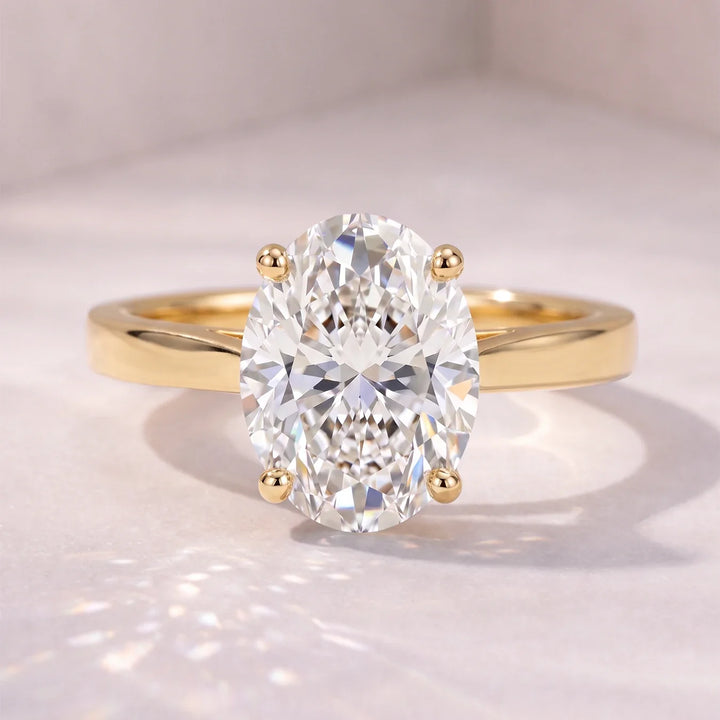
Lily Arkwright Morgan Pear Lab Diamond 18k Yellow Gold Engagement Ring
Where should I keep it?
Choose a soft-lined box or a separate pouch so your ring doesn't rub against other jewellery. Have one safe place for it when you're at home, away from sinks and the edge of a shelf. When travelling, use a padded jewellery case rather than dropping it loose into a bag.
Take rings off one at a time and put them straight away. A tissue or a pocket can feel convenient in the moment, but neither is a good place to leave something so easy to mislay.

When is professional care needed?
Cleaning, inspection and polishing do different jobs. Cleaning removes residue. Inspection checks the stones, claws and condition of the ring. Polishing changes the surface of the metal, so it should be considered separately and only when appropriate for the finish and condition.
Arrange regular checks at an interval agreed with your jeweller, and don't wait for the next appointment if something feels loose or catches. A significant knock also deserves attention, even if the ring still looks much as it did before.
For a Lily Arkwright ring, contact our team with your order number and a description of the problem before arranging work. We can advise on the next step and any assessment needed. Ask for the current cost, timescale and return arrangements; these depend on the work required. Check the applicable warranty terms before having another provider service or repair it.
If you'd like to talk through care for your ring, you can schedule a consultation. Let us know which ring you have and what you've noticed, so the conversation starts with the details that matter.

A routine you can stick to is more useful than an occasional vigorous clean. Put your ring somewhere safe when a task calls for it, keep cleaning gentle and ask for help when something changes.